

The confusion between friend vs freind is one of the most common spelling mistakes in English writing. The words look almost identical, but only one is correct.
This mistake shows up in schoolwork, texts, and social media posts because the letters are easy to mix up when typing quickly or relying on memory instead of spelling patterns.
Quick Answer
The correct spelling is friend.
“Friend” means a person you trust and share a positive relationship with.
“Freind” is not a real English word and is always incorrect.
Why People Confuse Them

This mistake usually happens because the letters “i” and “e” are easy to swap during fast writing.
It also comes from English spelling patterns where similar words sometimes use different vowel orders, which creates confusion.
Most errors happen when people:
- Type quickly without checking
- Rely on sound instead of spelling memory
- Mix up letter order in familiar words
A simple way to remember it:
The correct order is always f-r-i-e-n-d, not f-r-e-i-n-d.
Key Differences At A Glance

| Feature | Friend | Freind |
|---|---|---|
| Correctness | Correct spelling | Incorrect spelling |
| Meaning | A trusted person or companion | No meaning |
| Usage | Everyday English word | Not used |
| Recognition | Standard word | Not recognized |
Meaning and Usage Difference
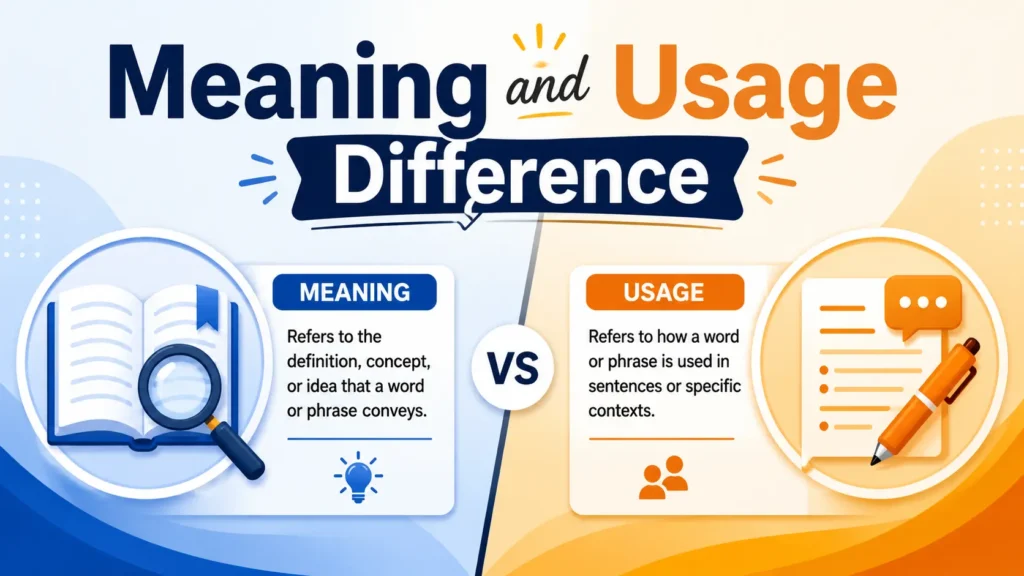
Friend Meaning
A “friend” is someone you know well, trust, and feel comfortable with. The word is used in both casual and formal communication.
Examples:
- school friend
- close friend
- longtime friend
Usage examples:
- My friend called me after school.
- She has been my friend since childhood.
- He made a new friend at work.
Freind Meaning
“Freind” has no meaning in English. It is only a spelling mistake caused by incorrect letter order.
Tone, Context, and Formality
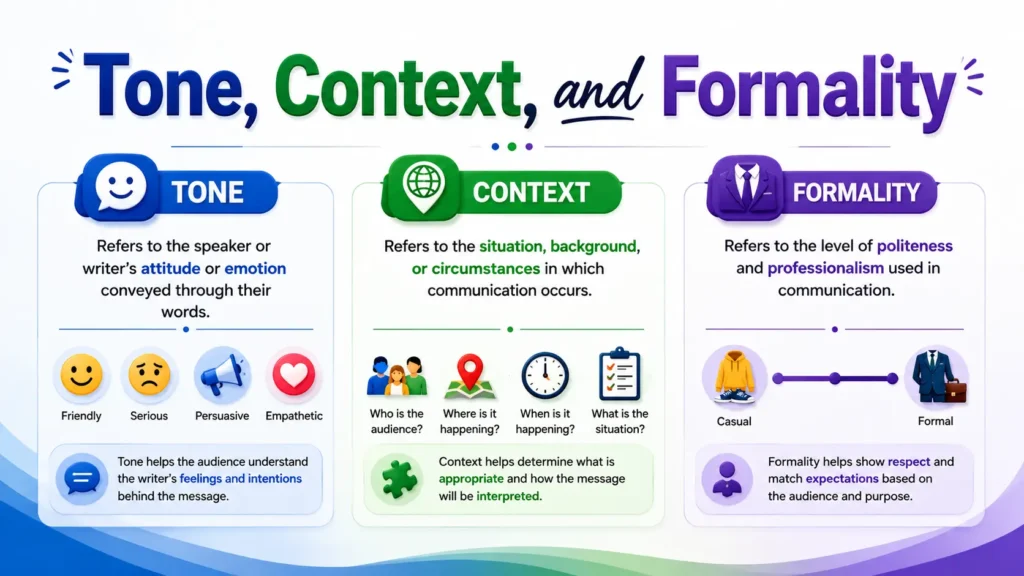
The word friend works in all types of communication, including:
- school assignments
- workplace emails
- social media posts
- casual conversations
It is neutral, natural, and widely accepted.
“Freind” should never be used because it is incorrect and can make writing look careless.
Which One Should You Use?
| Context | Best Choice | Why |
|---|---|---|
| School writing | Friend | Correct spelling |
| Emails | Friend | Clear and professional |
| Social media | Friend | Standard usage |
| Essays | Friend | Proper English |
| Any situation | Friend | Only valid form |
When One Choice Sounds Wrong
To readers, “friend” feels natural and instantly familiar.
“Freind” looks incorrect right away and can interrupt reading flow, even if the meaning is still understood.
Spelling accuracy helps maintain trust and clarity in written communication.
Common Mistakes (and Quick Fixes)
Mistake: Writing “freind”
Fix: Correct the letter order → friend
Mistake: Mixing up “i” and “e”
Fix: Always remember the fixed order “i before e” in this word.
Mistake: Typing too fast
Fix: Slow down slightly and review before sending messages or submitting writing.
Everyday Examples
Correct usage:
- My friend is visiting this weekend.
- She invited her friend to dinner.
- We became friends in middle school.
- I trust my best friend completely.
Incorrect usage:
- ❌ My freind is visiting this weekend.
Dictionary-Style Word Details
Verb
- Friend: Not commonly used as a verb in standard English, though “to friend” can appear in online contexts.
- Freind: Not a valid verb form.
Noun
- Friend: A person with a close, trusting relationship.
- Freind: No noun form exists.
Synonyms
- Friend: companion, buddy, pal, acquaintance (context-dependent)
- Freind: none (not a real word)
Antonyms (context-based): stranger, enemy
Example Sentences
- Friend: She is my closest friend.
- Friend: I met a new friend today.
- Friend: He is more than just a friend to me.
- Freind: Not used in correct English writing.
Word History
- Friend: Comes from ancient Germanic roots linked to caring and trust.
- Freind: No origin since it is only a spelling mistake.
Phrases Containing
- best friend
- close friend
- childhood friend
- family friend
- friend group
“Freind” does not appear in any correct phrases.
FAQs
Is guarentee a real word?
No. “Guarentee” is not a real English word. It is only a spelling mistake of “guarantee,” which is the correct form.
Why do people misspell guarantee as guarentee?
Most people mix up the vowel order when typing quickly. The sound of the word also makes it easy to guess the wrong spelling if you rely on pronunciation instead of memory.
What is the correct spelling of guarantee?
The correct spelling is “guarantee,” with “an” in the middle. The correct pattern is gua-ran-tee.
Is guarantee used as a noun or verb?
Yes. “Guarantee” can be both a noun and a verb. As a noun, it means a promise or assurance. As a verb, it means to promise something will happen.
How can I remember the spelling of guarantee easily?
Break it into parts: gua-ran-tee. Focusing on the “ran” in the middle helps prevent swapping the letters.
Does guarentee have any meaning in English?
No. “Guarentee” has no meaning in English and is not used in writing, speech, or formal communication.
Is guarantee formal or informal?
“Guarantee” is neutral. It is used in both formal writing (business, legal, academic) and informal conversation.
Conclusion
In friend vs freind, only friend is correct.
It is a basic English word used in everyday communication, while “freind” is simply a spelling error caused by letter reversal.
Using the correct spelling improves clarity, readability, and confidence in writing across all situations.
No. “Guarentee” is not a real English word. It is only a spelling mistake of “guarantee,” which is the correct form.
Most people mix up the vowel order when typing quickly. The sound of the word also makes it easy to guess the wrong spelling if you rely on pronunciation instead of memory.
The correct spelling is “guarantee,” with “an” in the middle. The correct pattern is gua-ran-tee.
Yes. “Guarantee” can be both a noun and a verb. As a noun, it means a promise or assurance. As a verb, it means to promise something will happen.
Break it into parts: gua-ran-tee. Focusing on the “ran” in the middle helps prevent swapping the letters.
No. “Guarentee” has no meaning in English and is not used in writing, speech, or formal communication.
“Guarantee” is neutral. It is used in both formal writing (business, legal, academic) and informal conversation.