
In English writing, especially in American English, spelling precision is critical. One word that is frequently misspelled is hygiene. Correctly spelled hygiene, this noun refers to the practices, conditions, and science that promote health and cleanliness. Its common misspelling, hygene, appears in informal writing or online content but is not recognized by authoritative dictionaries and is considered incorrect in any formal or professional context.
Understanding the difference is more than a matter of pedantry; it ensures clarity in communication, professionalism in reports or essays, and correctness in academic, medical, and workplace writing. From handwashing to dental care, workplace cleanliness to public health guidelines, the concept of hygiene spans multiple domains, making correct usage vital.
This guide provides a comprehensive, in-depth comparison of hygiene and hygene, exploring spelling, pronunciation, meaning, historical context, derivatives, practical examples, and common pitfalls, along with extensive guidance on professional and everyday usage.
Quick Answer
- ✔ Hygiene — Correct spelling in US English
- ❌ Hygene — Incorrect spelling, considered a misspelling
Example Usage:
- Correct: “Good hygiene includes washing your hands regularly and maintaining dental care.”
- Incorrect: “Good hygene includes washing your hands regularly and maintaining dental care.”
Whenever referring to cleanliness, health-promoting practices, or related concepts, use hygiene exclusively.
Why People Confuse Hygiene and Hygene

Several factors contribute to the common misspelling:
- Pronunciation Ambiguity: The word hygiene is pronounced /ˈhaɪ.dʒiːn/ (HY-jeen). The sound does not clearly reveal the correct i-e sequence, leading some writers to guess.
- Visual Similarity: Similar-looking words such as gene can influence the erroneous insertion of an e, forming hygene.
- Typing Speed and Autocorrect: Fast typing, lack of proofreading, or reliance on autocorrect can introduce the misspelling.
- Misapplied Rules: Some writers attempt to follow “i before e except after c,” resulting in the mistaken form.
Understanding these patterns can help prevent errors and reinforce proper spelling habits.
Key Differences At A Glance

| Context | Best Choice | Reason |
|---|---|---|
| Talking about health and cleanliness | hygiene | Official, dictionary-recognized noun |
| Writing school assignments or professional reports | hygiene | Standard, accepted spelling |
| Attempting alternate spellings | hygiene | Hygene is invalid |
| Forming derivatives (e.g., hygienic) | hygiene | Base form for correct word formation |
Meaning and Usage Difference

Hygiene
- Part of Speech: Noun
- Definition: Practices, conditions, or science aimed at maintaining health, preventing disease, and promoting cleanliness.
- Examples in US English:
- “Hand hygiene reduces the spread of infectious diseases.”
- “Dental hygiene is essential for preventing cavities and gum disease.”
- “Workplace hygiene practices protect employees from contamination.”
Hygene
- Part of Speech: None
- Definition: Not recognized; a misspelling of hygiene.
Since hygene has no official meaning, all examples and valid contexts apply only to hygiene. It cannot replace hygiene in formal, academic, or professional writing.
Pronunciation

Hygiene: /ˈhaɪ.dʒiːn/ — sounds like “HY‑jeen.”
There is no official pronunciation for hygene because it is not a valid word. Pronouncing it correctly as hygiene reinforces correct spelling.
Tone, Context, and Formality
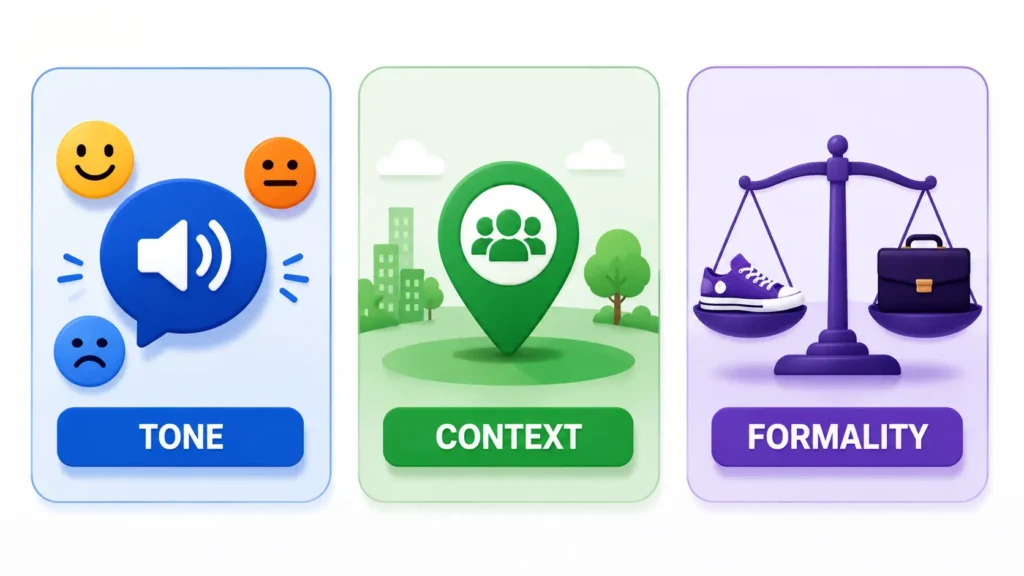
Hygiene is a versatile term used in multiple settings:
- Medical: “Clinics enforce hand hygiene protocols to prevent infection.”
- Educational: “Teachers instruct students on personal hygiene routines.”
- Food and Workplace Safety: “Restaurants must comply with food hygiene standards to prevent contamination.”
- Everyday Life: “Personal hygiene habits contribute to overall health.”
Incorrectly using hygene diminishes authority and can cause confusion, especially in formal documents, academic writing, or professional communication.
Which One Should You Use?
Always use hygiene. Common derivatives include:
- Hygienic — Adjective (e.g., “hygienic practices”)
- Hygienically — Adverb (e.g., “wash hands hygienically”)
- Sleep Hygiene — Metaphorical use for routines promoting good sleep
- Digital Hygiene — Metaphorical use in cybersecurity
Incorrect: “The campaign focused on improving hygene.”
Correct: “The campaign focused on improving hygiene.”
When One Choice Sounds Wrong
Using hygene in writing immediately signals a spelling error to readers. This applies across all contexts:
- Text messages
- School assignments
- Academic papers
- Workplace reports
- Social media posts
Correcting to hygiene ensures professional, credible communication.
Common Mistakes and Quick Fixes
- Mistake: “Schools emphasize good hygene.”
✔ Correct: “Schools emphasize good hygiene.” - Mistake: “Bathroom hygene routines are crucial.”
✔ Correct: “Bathroom hygiene routines are crucial.” - Mistake: Confusing derivatives: hygene → hygienic/hygiene
Tip: Always remember: H‑Y‑G‑I‑E‑N‑E.
Everyday Examples
- “Teaching children good hygiene habits reduces the spread of illness.”
- “Proper oral hygiene prevents dental cavities.”
- “Food hygiene standards in restaurants prevent contamination.”
- “Sleep hygiene routines improve rest quality and health.”
- “Digital hygiene involves secure passwords and software updates.”
- “Hospital staff follow strict infection-control hygiene protocols.”
These examples cover modern American contexts from personal care to public health.
Dictionary-Style Word Details
Verb
- Hygiene: Not used as a verb; use phrases like “maintain hygiene.”
- Hygene: Not a word.
Noun
- Hygiene: Recognized noun referring to cleanliness and health-promoting practices.
- Hygene: Not valid.
Synonyms
- Hygiene: Cleanliness, sanitation, health practices
- Hygene: Not applicable
Example Sentences
- “Clinics emphasize good hand hygiene.”
- “Teaching children about hygiene prevents illness.”
- Incorrect: “The poster used hygene instead of hygiene.”
Correct: “The poster used hygiene.”
Word History
- Hygiene: From French hygiène and Greek hugiēnḗ, meaning “healthful.”
- Hygene: No recognized historical usage.
Phrases Containing
- Hygiene: personal hygiene, dental hygiene, food hygiene, sleep hygiene, public hygiene
- Hygene: Should always be replaced by hygiene
Extended Discussion and Practical Guidance
Health and Public Policy Context
Proper hygiene is a cornerstone of public health. Policies require:
- Handwashing in schools and healthcare settings
- Food hygiene in restaurants
- Sanitation in public spaces
Using correct terminology in communications and policy documents ensures clarity and prevents misinterpretation.
Education and Child Development
Teaching children hygiene supports health literacy. This includes:
- Oral hygiene (brushing and flossing)
- Hand hygiene (washing hands after activities)
- Sleep hygiene (consistent bedtime routines)
These concepts are widely taught in the US education system. Using hygiene ensures consistency across curricula.
Workplace and Professional Communication
Correct spelling matters in training manuals, HR communications, and compliance documents. Misusing hygene could reduce perceived professionalism and clarity.
Digital and Sleep Hygiene
The term hygiene has metaphorical applications:
- Sleep hygiene: habits promoting quality sleep
- Digital hygiene: secure online habits, software updates, password management
These modern applications highlight the flexibility of hygiene as a term while maintaining its core meaning of promoting health and safety.
FAQ
What Is The Correct Spelling?
The correct spelling is hygiene.
Can Hygene Ever Be Used?
No. Hygene is not recognized in US English.
How Do You Pronounce Hygiene?
/ˈhaɪ.dʒiːn/ — “HY‑jeen.”
Are There Related Words I Should Know?
Yes — hygienic (adj), hygienically (adv), sleep hygiene, digital hygiene.
Why Do People Misspell It?
Because the pronunciation doesn’t clearly indicate the “i‑e” sequence, and similar-looking words like gene can confuse writers.
Conclusion
In all contexts — academic, professional, educational, medical, and everyday life — hygiene is the correct and standard US English spelling. Hygene is an incorrect form with no dictionary recognition and should always be replaced by hygiene. Using the correct spelling reinforces clarity, authority, and professionalism.
Correct usage spans personal care, public health, education, workplace hygiene, sleep routines, and digital practices. Remember: H‑Y‑G‑I‑E‑N‑E. Proper spelling ensures your writing communicates your expertise and attention to detail.