
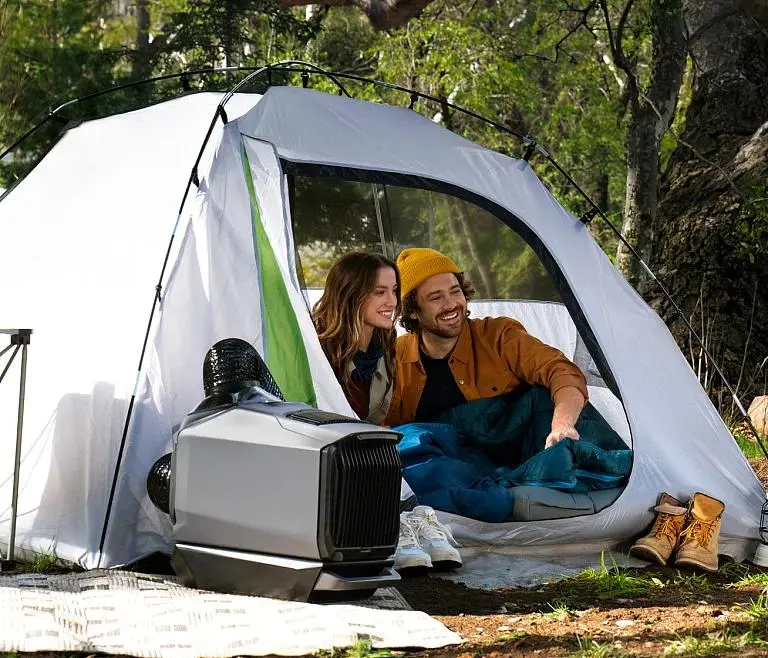
A portable air conditioner can cool a tent in summer when the tent is enclosed well enough, the unit is sized for the space, and the setup controls heat, moisture, and airflow. Small to mid-size tents usually cool far better than large family tents with constant door openings. Shade also makes a major difference, because direct sun heats tent fabric quickly and raises the cooling load. If you plan for venting, drainage, and battery runtime before the trip, tent air conditioning can make hot evenings and overnight camping much more comfortable and easier to manage.
What Determines How Well an Air Conditioner Cools a Tent?
Match Cooling Capacity to the Enclosed Tent Space
When browsing ecoflow australia, match cooling capacity to your tent’s enclosed sleeping space. A compact sleeping tent with low ceiling height is much easier to cool than a tall cabin tent with multiple rooms. Measure the tent’s approximate cubic space, then think about how much of it will actually stay closed while you sleep. If mesh panels, doors, or floor gaps stay open, the air conditioner will keep fighting warm outside air. Capacity matters here. The EcoFlow WAVE 3 provides 6100 BTU of cooling and is designed for portable use, making it more suitable for a contained tent area than for a large, drafty shelter used all day.
Account for Sunshine, Fabric, and Air Leaks
Tent material and campsite conditions shape cooling results almost as much as BTU rating. Thin fabric absorbs heat quickly, and dark colors warm up faster under direct sun. A shaded site under trees or beside natural cover reduces solar gain and helps the cool air last longer. Ground temperature matters too, especially on bare rock or packed dirt that radiates heat after sunset. Air leaks around zippers, mesh windows, and cable openings also reduce efficiency. Close unused vents, cover exposed mesh where safe, and limit how often people enter and exit. A tent with fewer leaks and less sun exposure will cool faster, hold temperature longer, and use less battery power overnight.
How to Set Up a Portable Air Conditioner for Tent Cooling?
Position the Unit and Route Hot Exhaust Outside
Place the air conditioner on a stable, level surface close to the tent so cool air reaches the sleeping area without obstruction. Keep the air path short and avoid aiming it into gear piles or fabric walls. The most important setup step is sending hot exhaust outside the enclosed space. If hot air dumps back into the tent or vestibule, cooling performance drops sharply. Use a tent port, partially opened window adapter, or sealed pass-through to route exhaust away from the shelter. Keep hoses as straight as possible for better airflow. Test the setup before sunset so you can fix leaks, tighten seals, and confirm the tent actually begins cooling.
Manage Drainage, Moisture and Power Connections
Moisture control matters because summer camping often combines heat with humidity. As the air conditioner cools the tent, it may also pull water from the air, so you need a simple drainage plan. A model with a dehumidification function can improve comfort by reducing that sticky feeling inside the tent. A water drain alert is also useful because it tells you when attention is needed before water buildup becomes a problem. Keep all power connections elevated, dry, and protected from foot traffic. Route cables neatly through a sealed opening to reduce air leaks. If you use an add-on battery or external power source, connect everything securely and check charge status before dark.
How to Plan Tent Cooling Through a Summer Night?
Estimate Battery Runtime for Your Actual Conditions
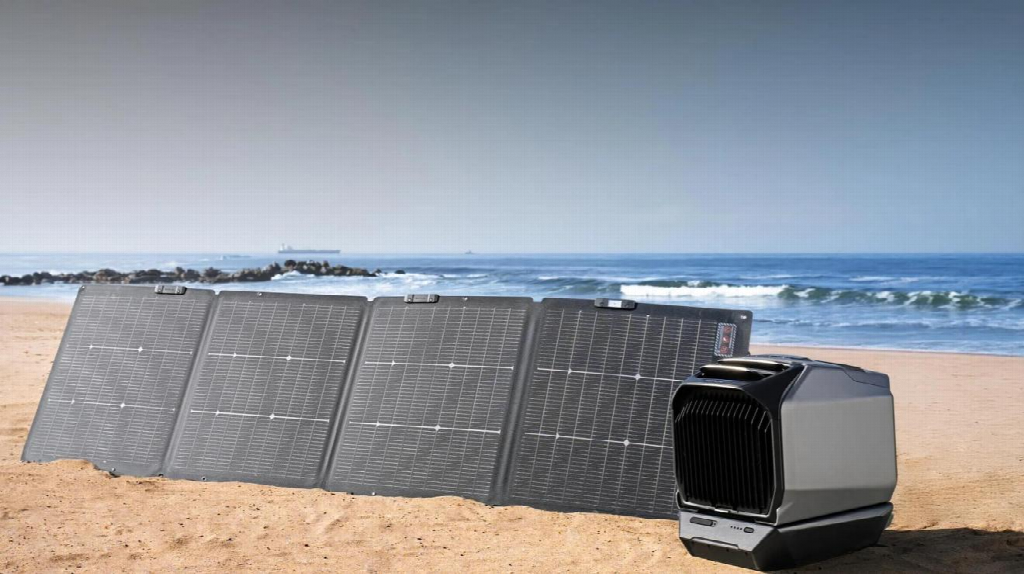
Battery planning should be based on your real campsite conditions, not ideal lab assumptions. Start with expected overnight temperature, humidity, tent size, and whether the campsite will stay shaded into the evening. A cooler night with a well-sealed small tent will need less energy than a hot, humid site with constant airflow leaks. For a portable 12v air conditioner, check voltage compatibility and estimate runtime under your expected overnight campsite cooling conditions. The EcoFlow WAVE 3 add-on battery offers up to 8 hours of usage, which can cover many sleep periods when the tent is shaded, enclosed, and pre-cooled before bedtime for better efficiency.
Adjust Cooling Settings and Plan the Next Recharge
Run the unit harder early in the evening to pull down tent temperature before the hottest trapped air settles around your sleeping area. Once the tent feels comfortable, switch to a moderate setting that maintains cooling instead of constantly chasing a lower temperature. If the unit can deliver a rapid drop, such as up to 15°F or 8°C in 15 minutes, use that burst strategically before sleep rather than all night. Close doors promptly, reduce internal heat sources, and wear breathable sleep layers so you can set a realistic target temperature. Before bed, confirm your recharge plan for the next day, whether that means shore power, vehicle charging, or stored battery capacity.
Conclusion
Yes, a portable air conditioner can cool a tent in summer, and it works best when you treat the tent like a small enclosed room instead of a breezy shelter. Choose a tent size the unit can realistically handle, reduce sun exposure, seal unnecessary openings, and vent hot exhaust completely outside. Then plan for moisture control, safe power routing, and enough battery runtime to match the night’s conditions. With the right setup, tent cooling becomes practical rather than frustrating, giving you a more comfortable place to rest even during hot, humid summer camping trips.
Also READ


