

Gaming communities often use familiar English words in unfamiliar ways. Words such as “carry,” “raid,” and “dungeon” have traditional dictionary meanings, but they take on more specific roles in multiplayer games such as World of Warcraft (WoW).
For English learners, understanding these differences can make gaming conversations much easier to follow. Whether someone is discussing group content in WoW Forever or reading a gaming forum, knowing how these terms function as nouns and verbs can prevent misunderstandings.
What Does Carry Mean in Gaming?
In everyday English, “carry” is a verb that describes holding, supporting, or transporting something. In multiplayer gaming, it describes a situation where one or more experienced players contribute significantly to a group’s success.
Carry as a Verb
When used as a verb, “carry” describes the action of helping another player or group overcome a challenge through substantial individual contributions.
For example:
- Experienced players helped carry the group through a difficult encounter.
- The team relied on its strongest members to carry them through the fight.
The word does not necessarily suggest that other players made no contribution.
Carry as a Noun
In gaming conversations, “carry” can also describe an instance of receiving substantial assistance. Someone researching the meaning of a wow forever raid carry may encounter discussions about experienced players helping others complete group content.
The expression combines the name of the game, the type of group activity, and the assistance involved. It does not automatically imply account sharing or guarantee successful completion.
What Does Raid Mean in WoW Forever?
In standard English, a “raid” refers to a sudden attack on a particular place. In World of Warcraft: Forever, a raid is a group activity in which players cooperate to overcome challenging encounters.
Examples of announced WoW Forever raids include Barrow Deeps, designed for 10 players, Hyjal Summit for 20 players, and Onyxia’s Lair for 40 players.
Raid as a Noun
As a noun, “raid” identifies a particular activity or encounter that players prepare for collectively.
For example:
- Our guild is preparing for the Hyjal Summit raid.
- Barrow Deeps is a 10-player raid.
Raid as a Verb
When used as a verb, “raid” describes the action of participating in raid content.
For example:
- Our guild plans to raid together.
- The players are preparing to raid next month.
The related word “raiding” describes the activity itself, while “raider” refers to someone who participates in raids.
What Does Dungeon Mean in Gaming?
Traditionally, a dungeon is an underground prison or enclosed chamber. In gaming, however, the word refers to an area containing enemies, encounters, and challenges that players must overcome.
WoW Forever introduced new dungeons, including the Hall of Thanes beneath Ironforge and the Ruins of Lordaeron. These provide useful examples of how the meaning extends beyond its traditional definition.
Dungeon as a Noun
Unlike “carry” and “raid,” the word “dungeon” generally functions as a noun in gaming conversations.
For example:
- Our group is exploring the Hall of Thanes dungeon.
- The players are preparing for another dungeon run.
Players typically use expressions such as “run a dungeon” or “complete a dungeon” rather than using dungeon as a verb.
Carry vs. Raid vs. Dungeon: Comparison Table
Although these terms frequently appear together, they describe different aspects of multiplayer gaming.
| Term | Part of speech | Gaming meaning | Example phrase |
| Carry | Noun and verb | Substantial assistance from other players | Carry the group |
| Raid | Noun and verb | Coordinated group combat activity | Join a raid |
| Dungeon | Noun | An area containing combat challenges | Run a dungeon |
Common Grammar Mistakes When Using Gaming Terms
Gaming vocabulary follows many of the same grammatical rules as everyday English. Understanding articles, plural forms, and verb choices helps players communicate more clearly.
Using Articles Correctly
Singular countable nouns generally require an article or another determiner.
Incorrect: We are preparing for raid.
Correct: We are preparing for a raid.
The same rule applies when someone says they are entering a dungeon or discussing a carry.
Choosing the Correct Verb
Players often combine gaming nouns with particular verbs to express their intentions naturally.
For instance, someone might “join a raid,” “run a dungeon,” or “carry a teammate.” Each expression communicates a different action without requiring further explanation.
How These Terms Work Together in Gaming Conversations
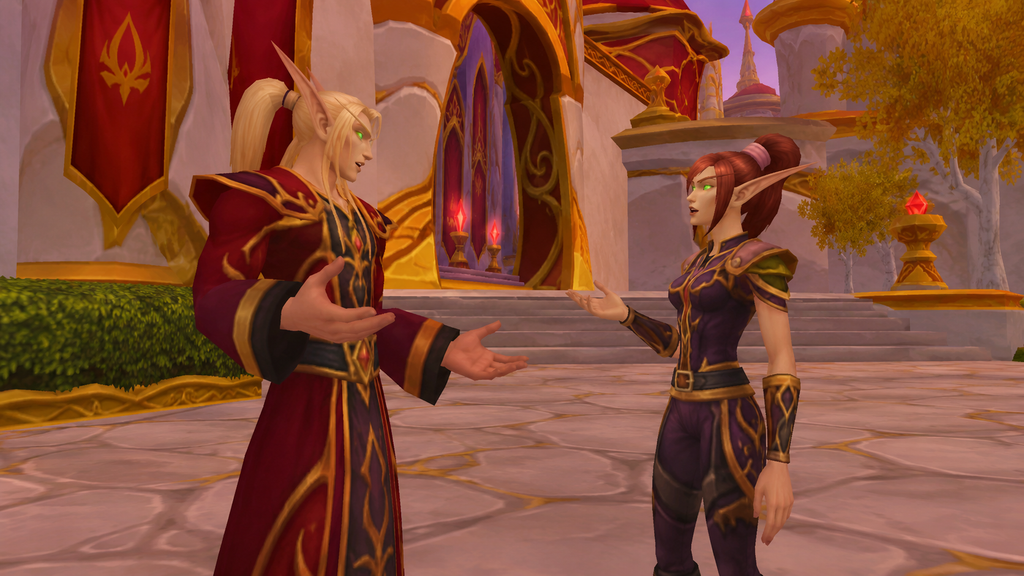
Imagine a WoW Forever group discussing preparations for the announced Barrow Deeps raid. Some members might suggest completing dungeon content beforehand, while experienced teammates could offer additional assistance during future raid encounters.
In this context, a dungeon represents one type of group activity, a raid describes another, and a carry refers to substantial assistance. Recognising these distinctions helps English learners interpret gaming conversations without confusing activities with player behaviour.
It’s also worth remembering that helping teammates through ordinary cooperative gameplay differs from account sharing or unauthorised commercial services.
Conclusion
Carry, raid and dungeon demonstrate how familiar English words develop specialised meanings within gaming communities. A carry describes assistance, a raid involves coordinated group activity, and a dungeon represents an area containing gameplay challenges.
Through WoW Forever examples, English learners can better understand these grammatical differences and use gaming vocabulary accurately in conversations, forums, and written communication.
Also Read