English contains many words that look similar but serve different functions, and anise vs aniseed is a classic example. Writers, editors, and cooks often confuse these terms, which can lead to ambiguity in recipes, botanical texts, or product labels.
At their core:
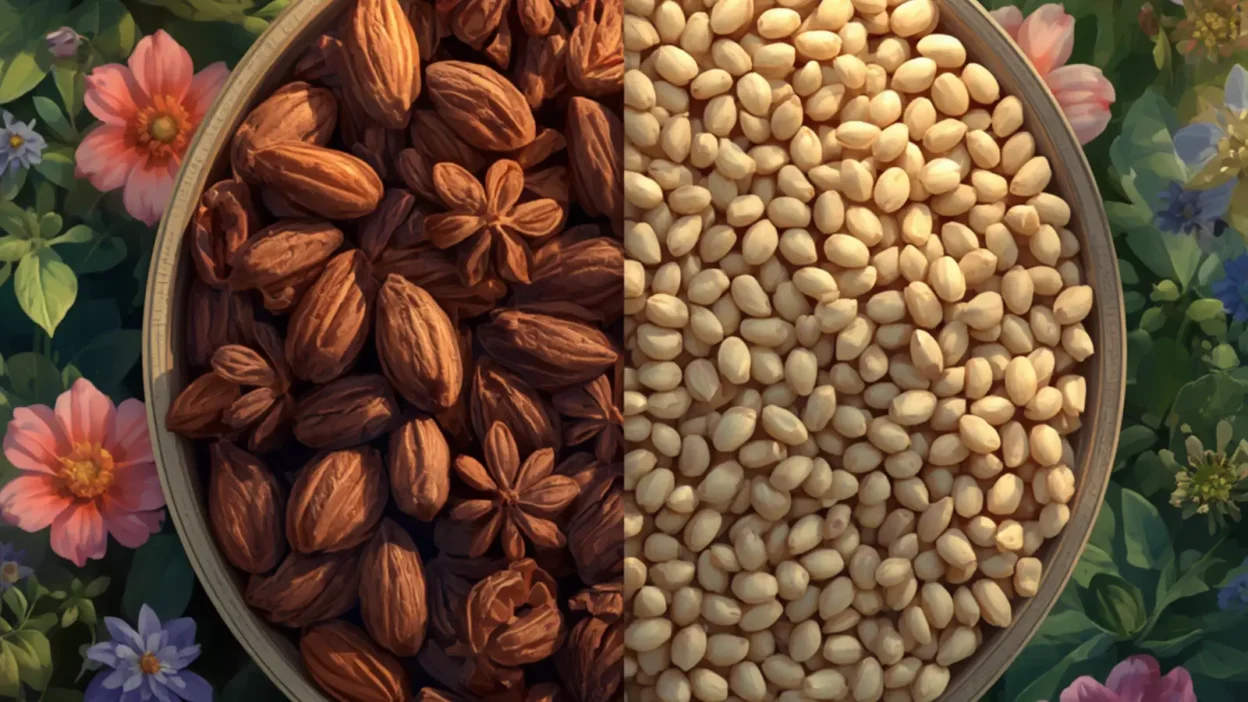
- Anise names the plant itself (Pimpinella anisum), a herbaceous Mediterranean annual with feathery leaves and aromatic seeds.
- Aniseed refers specifically to the seeds, usually dried, used as a spice or flavoring.
Misusing these terms in culinary writing, product labeling, or editorial content can cause reader confusion, misinterpretation, and even mistakes in cooking. This guide explores their distinctions, usage rules, pronunciation, and practical examples.
Quick Editorial Answer
| Term | Part of Speech | Meaning | Example |
|---|---|---|---|
| Anise | Noun | The plant itself or informally its seeds | The garden grows tall stalks of anise. |
| Aniseed | Noun | The aromatic seeds of the anise plant | Add crushed aniseed to the cookie dough. |
Rule of Thumb:
- Talking about the plant → anise
- Talking about the seeds/spice → aniseed
Why People Confuse Them

Several factors contribute to confusion:
- Pronunciation similarity: Both words are nearly identical in US English (/ˈænɪs/ vs /ˈænɪsˌsid/).
- Spelling similarity: Only a few letters differ, making it easy to assume they are interchangeable.
- Culinary habits: Many casual recipes use “anise” to mean the seeds, blurring formal distinction.
- Editorial oversight: Writers sometimes copy older sources or casual usage, spreading ambiguous usage in print.
Understanding the distinction ensures clarity for readers, chefs, and editors alike.
Key Differences At A Glance

| Context | Best Choice | Why |
|---|---|---|
| Botanical descriptions, gardening, plant care | Anise | Refers to the plant itself, including stalks and leaves. |
| Recipe ingredient list | Aniseed | Precisely names the spice; avoids ambiguity. |
| Culinary writing discussing flavor | Aniseed | Clearly indicates the seeds used for taste. |
| Casual food writing | Anise | Widely understood by general readers. |
Definitions and How They’re Used

Anise (noun)
- A herbaceous annual plant of the parsley family (Pimpinella anisum).
- Has aromatic seeds with a licorice-like flavor.
- In some US cookbooks and casual writing, “anise” may refer informally to the seeds.
Example sentences:
- The garden bed featured tall stalks of anise.
- Anise grows best in sunny, well-drained soil.
- Herbalists often use fresh anise leaves for garnish.
Aniseed (noun)
- The dried seed of the anise plant, primarily used as a spice or flavoring.
- More precise term in culinary and professional writing.
Example sentences:
- Add crushed aniseed to the cookie dough for a subtle licorice note.
- Aniseed enhances the flavor of liqueurs and baked goods.
- Toasting aniseed before grinding intensifies its aroma.
Pronunciation

- Anise: /ˈænɪs/ (“ANN‑iss”) – common US pronunciation.
- Aniseed: /ˈænəˌsid/ (“ANN‑uh‑seed”) or /ˈænɪsˌsid/ (“ANN‑iss‑seed”) – both acceptable.
Tip: Emphasize the “seed” syllable when referring to the spice to differentiate from the plant.
Editorial Decision Guide
Use the following decision steps for publication-ready clarity:
- Identify the focus: Plant vs spice.
- Consider context: Botanical text, recipe, or flavor description.
- Choose the most precise term: “Anise” for plant; “aniseed” for spice.
Examples:
- Botanical: Anise grows well in Mediterranean climates.
- Culinary: Stir in 2 teaspoons of aniseed into the sauce.
Practical Style Guidance
- Use “anise” when discussing plants, leaves, or general culinary context:
- The herb garden includes basil, cilantro, and anise.
- Fresh anise leaves add fragrance to the salad.
- Use “aniseed” when the seed is the focus or for recipes:
- Grind the aniseed and sprinkle over the pastries.
- Liqueurs often contain star anise or aniseed for flavor.
Note: Using “anise” for the seeds in informal recipes is widely accepted, but “aniseed” is preferred for precision.
Common Style Mistakes
- ❌ Incorrect: Stir in fresh aniseed leaves.
✔ Correct: Stir in crushed aniseed for flavor. - ❌ Incorrect: I planted aniseed next to the basil.
✔ Correct: I planted anise next to the basil. - ❌ Incorrect: Bake with anise leaves for licorice flavor.
✔ Correct: Bake with crushed aniseed for licorice flavor.
Related Terms and Substitutes
- Star anise: A spice with similar licorice notes but from Illicium verum, not Pimpinella anisum.
- Fennel seeds: Milder licorice flavor, occasionally used as an aniseed substitute.
- Licorice root: Adds similar sweetness/aroma; different texture and strength.
Culinary Tip: Star anise and fennel are excellent for flavor layering but may alter the intended texture or intensity.
Everyday Examples
Anise (plant):
- Anise sprouts quickly in the greenhouse.
- Fresh anise leaves make a decorative garnish.
- The herbal tea contains dried anise for aroma.
Aniseed (spice):
- Add a pinch of aniseed to the cookie dough.
- Aniseed infuses licorice flavor into pastries and desserts.
- Mix aniseed with fennel and caraway for a traditional spice blend.
Dictionary-Style Word Details
Verb
- Anise: Not a verb.
- Aniseed: Not a verb.
Noun
- Anise: The herbaceous plant itself; occasionally refers informally to seeds.
- Aniseed: The seeds of the anise plant, dried and used as spice.
Synonyms
- Anise: Pimpinella anisum, anise plant, Mediterranean herb
- Aniseed: anise seed, licorice seed, spice seed
Example Sentences
- Anise: “The garden includes thyme, basil, and anise for aromatic diversity.”
- Aniseed: “She added crushed aniseed to the dough for authentic flavor.”
Word History
- Anise: From Latin anisum, derived from Greek anison, meaning the herb.
- Aniseed: Combination of “anise” + “seed” to specify the culinary component.
Phrases Containing
- Anise: anise plant, anise herb, fresh anise
- Aniseed: crushed aniseed, ground aniseed, aniseed spice
Advanced Usage Notes
- Recipe Writing: Always use aniseed to avoid confusion about which part of the plant is required.
- Botanical Guides: Use anise when discussing growth, cultivation, or morphology.
- Flavor Profiles: Aniseed is ideal for alcohol infusions, baked goods, and confectionery.
- Substitutions: Star anise and fennel seeds can replace aniseed but adjust quantities for flavor strength.
Memory Tip: Think “c for plant (concept), s for seeds (specific spice).”
Practice Exercises
Fill in the blanks:
- Add two teaspoons of ___ to the cookie mix.
- The herb garden contained basil, thyme, and ___.
- Crush the ___ before adding to the liqueur.
- She garnished the salad with fresh ___ leaves.
Answers: 1. aniseed, 2. anise, 3. aniseed, 4. anise
FAQ
Is anise the same as aniseed?
They are closely related. Anise refers to the plant and sometimes informally to the seeds, while aniseed specifically refers to the spice seeds.
Can I use anise instead of aniseed in a recipe?
Yes, in informal contexts it’s widely understood, but aniseed is preferred in professional culinary writing for precision.
Are anise and star anise the same?
No. Star anise comes from a different plant (Illicium verum) but shares a similar licorice flavor.
How should I pronounce them?
Anise: /ˈænɪs/ (“ANN-iss”)
Aniseed: /ˈænəˌsid/ or /ˈænɪsˌsid/ (“ANN-uh-seed” / “ANN-iss-seed”)
Can I plant aniseed?
No. Aniseed refers to seeds used for flavor; you plant the anise plant itself.
Conclusion
Knowing the difference between anise and aniseed is essential for clear, professional writing and cooking.
- Use anise when referring to the plant or general herb context.
- Use aniseed when referring to the culinary seeds or spice.
- Apply memory cues, context checks, and careful editorial judgment to ensure clarity.
By following these rules, writers, editors, and cooks can avoid ambiguity, communicate accurately, and maintain professional standards in both print and digital content.