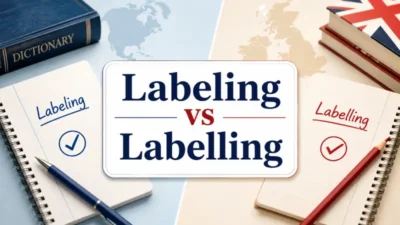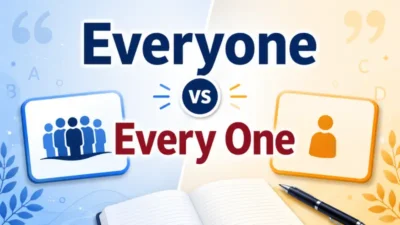

Repast and repass look and sound similar, but they normally have different meanings.
A repast is a meal or the occasion of eating. In the United States, the word is also commonly used for a meal or gathering held after a funeral or memorial service.
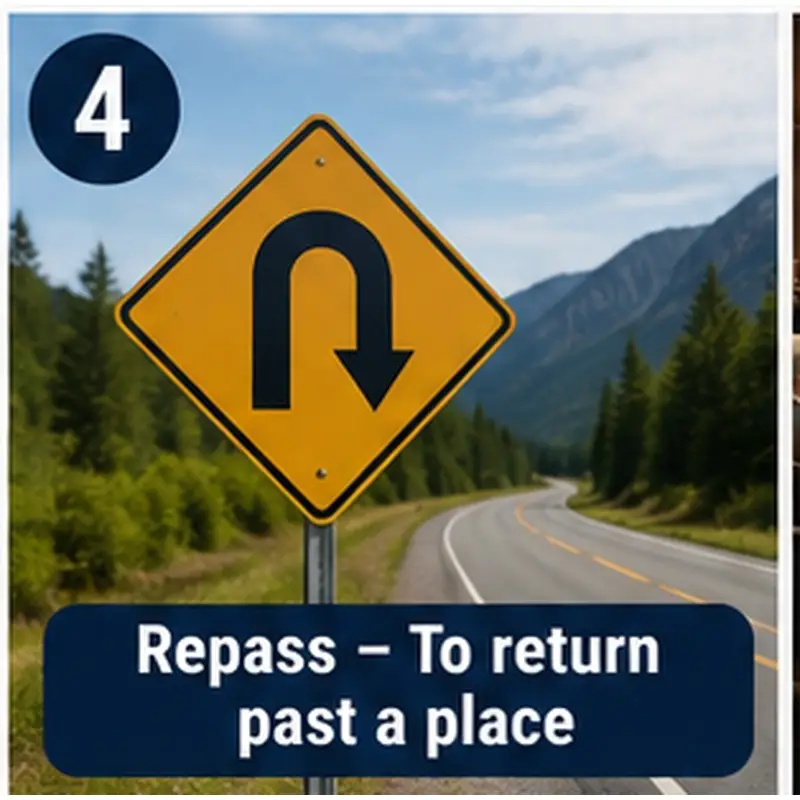
Repass is mainly a verb meaning to pass again, go by again, or pass something again, such as a law or resolution.
The safest rule is simple: use repast for a meal and repass for the action of passing again.
Funeral usage needs one extra note. Some families and communities use repass when referring to a post-funeral gathering. That usage exists in real life, but repast remains the clearer dictionary-based choice when you specifically mean the meal or gathering after a funeral.
Quick Answer
Use repast when you mean a meal, particularly a formal meal or a meal and gathering after a funeral.
Use repass when you mean to pass again.
Correct:
The family invited everyone to a repast after the funeral.
We had to repass the checkpoint on our way home.
The council may repass the revised resolution.
For a funeral announcement, program, or formal notice, repast is usually the clearest choice for the post-service meal.
According to Merriam-Webster’s definition of repast, the word primarily means a meal or the act or time of taking food. Its entry for repass defines the verb around the idea of passing again or adopting something again.
Why People Confuse Them
Several factors make repast and repass easy to mix up.
They Look Almost Identical
Only the ending separates the two words:
- repast
- repass
That small spelling difference is easy to overlook.
This is similar to other confusing word pairs where a small change creates a completely different meaning. For example, elude or allude are also similar in appearance and pronunciation but perform different jobs in a sentence.
They Can Sound Similar
Repast is generally pronounced roughly as rih-PAST, while repass is pronounced roughly as ree-PASS.
The difference may become less noticeable in fast conversation, especially when people already expect a funeral-related term.
Funeral Usage Creates Extra Confusion
The word repast naturally fits funeral usage because its established meaning is a meal. Current published examples also use repast specifically for post-funeral gatherings.
However, repass also appears in actual funeral notices and community speech for such gatherings. This explains why some people grow up hearing one form while others hear the other.
For edited general English, repast is still the clearer choice when the intended meaning is the funeral meal.
Key Differences At A Glance
| Context | Best Choice | Why |
|---|---|---|
| A meal in general | Repast | It means a meal or occasion of eating. |
| A meal after a funeral | Repast | It directly carries the meal meaning. |
| A formal funeral announcement | Repast | It is the clearest standard written form. |
| Passing a place again | Repass | It means to pass or go by again. |
| Overtaking someone again | Repass | It can describe passing someone another time. |
| Passing a law or resolution again | Repass | It can mean to adopt or pass something again. |
| A gathering specifically called a “repass” by a family | Repass | Preserve the family’s chosen terminology when appropriate. |
Compact comparison:
- Repast = a meal
- Repass = to pass again
- Funeral repast = standard, clear term for the post-funeral meal
- Funeral repass = a form that occurs in some community usage
Meaning and Usage Difference

What Does Repast Mean?
Repast is primarily a noun meaning a meal, the food eaten at a meal, or the occasion of eating.
Example:
The guests enjoyed a light repast before leaving.
The word often sounds more formal or literary than the everyday word meal. Cambridge Dictionary describes repast as a literary word meaning a meal.
In ordinary conversation, most Americans would probably say:
We had a quick meal.
rather than:
We had a quick repast.
What Does Repast Mean After a Funeral?
In funeral contexts, a repast commonly refers to the meal or social gathering that follows a funeral, burial, or memorial service.
For example:
Family and friends gathered for a repast after the burial.
Food is usually central to the event, but the gathering may also provide time for conversation, remembrance, and support.
Modern published examples demonstrate this post-funeral use of repast.
What Does Repass Mean?
Repass is primarily a verb.
It can mean:
- to pass again
- to go by a place again
- to return past something
- to cause something to pass again
- to adopt or pass a measure again
Example:
We repassed the building on our way back.
Another example:
The legislature may repass the revised measure.
These meanings match the current dictionary entry for repass.
Tone, Context, and Formality
Repast Sounds More Formal Than Meal
In its general food-related sense, repast often sounds more formal or literary than meal.
Compare:
We stopped for a meal before driving home.
We stopped for a light repast before driving home.
Both can be correct, but the first sounds more natural in everyday American conversation.
Cambridge specifically labels the meal sense of repast as literary.
Funeral Repast Is A Specialized Use
The word feels less unusually formal when it appears in a funeral context.
For example:
The repast will follow the burial.
Here, repast works as an established term for the post-service meal or gathering.
Repass Is Less Common In Everyday Speech
Although repass is a valid word, Americans often choose simpler wording in casual conversation.
Instead of:
We repassed the hotel.
someone may naturally say:
We passed the hotel again.
The shorter word is not incorrect. It is simply less common in ordinary conversational phrasing.
For another example of two valid words whose grammatical roles determine the correct choice, see patient or patience.
Which One Should You Use?
Start by asking one question:
Are you talking about eating or passing?
Choose Repast For A Meal
Use repast when the sentence refers to:
- a meal
- an occasion of eating
- a formal or literary meal
- a meal or gathering after a funeral
Example:
The church hosted a repast after the memorial service.
Choose Repass For Passing Again
Use repass when someone or something:
- passes a place again
- goes back past something
- passes another person or vehicle again
- passes or adopts a measure again
Example:
The cyclist accelerated and repassed the rider.
Use Extra Care In Funeral Wording
For a formal funeral program, announcement, obituary, or invitation, repast is usually the safest wording when you mean a post-service meal.
Examples:
A repast will follow the burial.
The family invites guests to attend the repast after the service.
When a family, congregation, funeral home, or community officially calls the event a repass, preserving that chosen wording may be appropriate.
When One Choice Sounds Wrong
Do Not Use Repass For An Ordinary Meal
Incorrect:
We enjoyed a delicious repass at the restaurant.
Better:
We enjoyed a delicious repast at the restaurant.
The meaning concerns food, so repast fits.
In everyday speech, meal would sound even more natural:
We enjoyed a delicious meal at the restaurant.
Do Not Use Repast For Passing Again
Incorrect:
The driver tried to repast the car.
Correct:
The driver tried to repass the car.
The action involves passing again, so repass is required.
Do Not Treat Them As Spelling Variants
Unlike true spelling variants, repast and repass normally represent different words and meanings.
That distinction matters. A spelling-choice pair such as ingrained or engrained raises a different question: whether alternative forms represent standard and less-common spellings. With repast and repass, the central issue is meaning and grammatical function.
Common Mistakes (and Quick Fixes)
Mistake 1: Using Repass For Every Funeral Meal
You may hear repass in funeral-related community usage, but do not assume that this is its ordinary dictionary meaning.
Quick fix: In general formal writing, choose repast for the meal.
Mistake 2: Thinking Repass Is Not A Real Word
Repass is not simply a typo.
It is an established verb meaning to pass again, return past something, cause something to pass again, or adopt something again.
Quick fix: Remember the word pass inside repass.
Mistake 3: Thinking Repast Only Means A Funeral Gathering
A funeral repast is one important use, but repast has the broader meaning of meal.
Quick fix: Think:
repast = meal
funeral repast = a specific kind of repast
Mistake 4: Using Repast Casually Everywhere
Although grammatically possible, repast can sound unnecessarily formal in ordinary conversation.
Less natural:
I grabbed a repast at the drive-through.
More natural:
I grabbed a meal at the drive-through.
Everyday Examples
Examples With Repast
The family arranged a repast in the church hall.
Guests shared memories during the repast after the memorial service.
We enjoyed a light repast before beginning the long drive.
Everyone was invited to the repast after the burial.
The hosts served a simple evening repast.
Examples With Repass
We repassed the same gas station on our return trip.
The cyclist managed to repass his rival near the finish.
The council may need to repass the ordinance.
She repassed the entrance while looking for a parking space.
The driver dropped behind briefly before repassing the other car.
The difference remains consistent: repast concerns a meal, while repass concerns passing again.
Dictionary-Style Word Details
Verb
Repast: A verb sense exists, but it is rare in modern everyday American English. Merriam-Webster records an intransitive sense connected with taking food or feasting, while an older transitive sense is obsolete.
Example:
The travelers repasted before continuing their journey.
Modern speakers would usually choose ate, dined, or feasted instead.
Repass: Commonly recognized as a verb meaning to pass again, pass back, go by again, or adopt something again.
Example:
The legislature voted to repass the measure.
Noun
Repast: Primarily a noun in modern usage.
It can mean:
- a meal
- food eaten at a meal
- the occasion or time of eating
- a post-funeral meal or gathering in established American usage
Example:
The family hosted a repast after the service.
Repass: It is primarily used as a verb in modern English. Collins records a noun sense meaning an act of passing again but labels that noun use archaic.
For normal modern writing, readers are far more likely to encounter repass as a verb.
Synonyms
Repast , closest plain alternatives:
- meal
- feast, when appropriate
- banquet, for a large formal meal
- refreshments, when only light food is served
The closest general alternative is meal. Merriam-Webster and Cambridge both support that central meaning.
Repass, closest plain alternatives depend on context:
- pass again
- go by again
- return past
- overtake again
- reenact or pass again, for legislation
No single substitute fits every use of repass.
Example Sentences
Repast:
A repast will be served after the funeral.
We shared a modest repast before heading home.
Family members remained at the repast to talk and remember their loved one.
Repass:
We had to repass the checkpoint on our return trip.
The driver repassed his competitor on the final lap.
Lawmakers voted to repass the revised resolution.
Word History
Repast: The word entered English through Anglo-French forms associated with feeding and taking food. That history is consistent with its long-established meaning of a meal. Merriam-Webster traces the noun through Middle English and Anglo-French.
Repass: The word is built around the idea of passing again and is historically connected with French forms involving repeated passage.
The similar appearance of repast and repass does not mean that they are simply alternative spellings of one modern word.
Phrases Containing
Useful expressions with repast include:
- funeral repast
- post-funeral repast
- light repast
- evening repast
- simple repast
Example:
The family announced that the funeral repast would be held at the church hall.
Common constructions with repass include:
- repass a bill
- repass a resolution
- repass a checkpoint
- repass the same place
- repass a competitor
Example:
The council voted to repass the amended resolution.
These are generally verb constructions rather than fixed expressions.
Frequently Asked Questions
What is the difference between repast and repass?
Repast means a meal. Repass means to pass again. That is the main difference.
Is repast used for a funeral meal?
Yes. Repast is commonly used for the meal or gathering after a funeral or memorial service.
Is repass a real word?
Yes. Repass is a real word and usually means to go by again, pass again, or pass something again.
Which word should I use after a funeral?
For most general and formal writing, repast is the clearer choice for a post-funeral meal or gathering.
Can repass be used in funeral context?
Yes, some families and communities use repass for a post-funeral gathering, but repast is usually the clearer standard form.
How can I remember repast vs repass?
Think of it this way: repast = meal and repass = pass again.
Conclusion
The difference between repast vs repass comes down to their core meanings.
Use repast when you mean a meal. It is also the clearer standard term for a meal or gathering held after a funeral or memorial service.
Use repass when you mean to pass again, such as going by a place another time, overtaking someone again, or passing a measure again.
Remember:
Repast = meal
Repass = pass again
The funeral context creates some genuine variation because repass also appears in community usage. However, when you are writing for a broad audience and specifically mean the post-funeral meal or gathering, repast is the clearest choice.