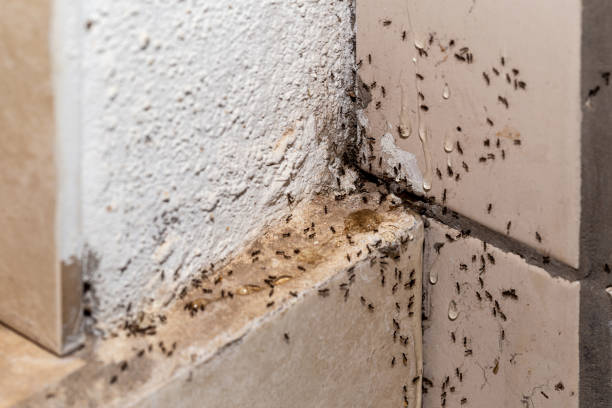
Bathrooms may seem like unlikely places for ants, especially when no food is stored nearby. Yet homeowners sometimes notice trails around sinks, bathtubs, toilets, or damp corners. These sightings can be confusing because the insects appear in rooms that receive regular cleaning and contain few obvious food sources.
Ants enter bathrooms for several reasons, including access to moisture, shelter, and routes through concealed building spaces. Plumbing connections, damaged seals, and small structural openings may create favorable conditions. Understanding these factors helps homeowners investigate recurring activity without assuming that every sighting indicates a large infestation.
Effective Ant Control involves identifying the species, locating activity patterns, and correcting conditions that attract insects. Agile Pest Control can help homeowners evaluate persistent bathroom sightings and determine whether professional management is necessary. Practical prevention begins with understanding how moisture and building maintenance influence ant movement.
Why Bathrooms Can Attract Ant Activity
Bathrooms contain environmental features that may support ant movement even without accessible food. Water availability and concealed spaces can make certain locations particularly attractive.
Water Sources Around Fixtures
Ants require moisture, and some species seek accessible water during dry conditions. Condensation, leaking fixtures, and standing water may provide convenient sources.
A small leak beneath a sink can remain unnoticed for weeks. Correcting it may reduce one condition encouraging repeated activity.
Shelter Within Concealed Spaces
Bathroom cabinets, wall cavities, and plumbing openings provide protected areas that insects may investigate. These locations can connect interior rooms with surrounding structural spaces.
Not every ant observed near plumbing originates inside the wall. Inspection should establish likely movement routes before repairs begin.
Understanding Ant Trails Around Bathroom Sinks
Sinks are common observation points because plumbing and water use create changing moisture conditions. Repeated trails may reveal consistent travel routes.
Movement Along Countertop Edges
Ants sometimes travel along wall junctions, countertops, and cabinet edges. These surfaces provide continuous routes that can guide movement.
Homeowners can observe where insects enter and leave without immediately disturbing the trail. This information may help identify accessible openings.
Activity Beneath Sink Cabinets
Cabinets beneath sinks contain plumbing penetrations and occasionally develop moisture problems. Stored supplies may conceal damp surfaces or small gaps.
Residents should inspect accessible areas for staining, leaks, and recurring insects. Plumbing defects deserve attention regardless of pest activity.
Why Bathtubs and Showers Develop Ant Problems
Bathing areas experience frequent moisture exposure, making maintenance particularly important. Certain conditions can create opportunities for insects to enter or remain nearby.
Deteriorated Caulking and Grout
Damaged caulking may allow water to reach materials beneath surrounding surfaces. Cracked grout can also indicate maintenance concerns requiring evaluation.
These defects do not automatically establish an ant entry point. However, correcting them helps protect bathroom materials from moisture damage.
Damp Corners and Shower Enclosures
Water may collect around shower tracks, corners, and poorly draining surfaces. Persistent dampness can influence insect activity and material deterioration.
Homeowners should clean accessible areas and investigate drainage problems. Repeated ant sightings deserve additional attention when moisture corrections produce no improvement.
Examining Ant Activity Around Toilets
Toilets contain plumbing connections and surrounding floor junctions that may conceal maintenance problems. Their location can provide clues about insect movement.
Gaps Around Plumbing Connections
Water supply lines often pass through walls or floors near toilets. Openings around these connections may permit insects to move between accessible spaces.
Agile Pest Control may assess recurring activity near these features during a professional inspection. Recommendations should reflect observed evidence rather than assumptions about concealed infestations.
Moisture Near the Toilet Base
Water around a toilet may indicate condensation, cleaning residue, or a plumbing problem. Persistent moisture should never be dismissed as ordinary bathroom humidity.
Homeowners should seek appropriate plumbing assistance when leakage is suspected. Structural damage can develop if the underlying problem remains unresolved.
Recognizing Different Ant Behaviors
Ant species vary in nesting preferences, food requirements, and movement patterns. Their identification influences appropriate management decisions.
Temporary Foraging Activity
Some ants enter bathrooms while searching for water or exploring accessible routes. Their presence may be temporary, particularly when outdoor conditions change.
A few isolated insects do not necessarily indicate an indoor colony. Repeated observations provide more meaningful information.
Persistent Indoor Activity
Consistent trails or recurring sightings may suggest established access routes or nearby nesting conditions. Certain species can occupy concealed structural spaces.
Ant Control decisions should consider species identification and actual evidence. Treating every bathroom ant problem identically may produce disappointing results.
Distinguishing Ants From Similar Insects
Small insects found around bathroom fixtures are not always ants. Accurate identification helps homeowners avoid inappropriate treatment.
Recognizing Basic Ant Features
Ants typically have distinctive body segments and elbowed antennae. Their appearance varies considerably between species and developmental stages.
Photographs may help professionals evaluate suspicious insects. Clear images should capture body shape whenever possible.
Avoiding Identification Based on Location
Insects near drains are sometimes assumed to originate inside plumbing systems. Their presence may instead reflect moisture or accessible structural openings.
Location alone cannot establish the source. Careful inspection should guide conclusions.
Managing Bathroom Moisture More Effectively
Moisture management supports bathroom maintenance and may reduce conditions attractive to certain ants. Effective prevention requires attention to persistent problems.
Improving Ventilation After Bathing
Ventilation helps remove excess humidity generated during showers and baths. Properly functioning exhaust fans can support drying.
However, ventilation cannot correct hidden plumbing leaks. Damp materials should be investigated when moisture persists.
Repairing Leaks Promptly
Small plumbing leaks can affect cabinets, flooring, and surrounding construction materials. Early repairs may prevent more extensive deterioration.
Homeowners should monitor accessible connections for recurring dampness. Qualified plumbing professionals can address defects requiring specialized work.
Understanding Why Household Sprays May Fail
Visible ants represent only part of the activity occurring around a property. Surface applications may not address the conditions supporting their movement.
Treating Trails Without Identifying Sources
Spraying visible insects may temporarily reduce sightings without addressing nearby nesting activity. Results depend on the species and product used.
Some applications can interfere with other management methods. Homeowners should avoid combining products without appropriate guidance.
Using Products Responsibly
Pesticide labels specify approved locations, methods, and precautions. Bathrooms require particular care because surfaces may contact people frequently.
Ant control in Middletown, NJ should rely on identified needs rather than repeated unnecessary applications. Professional guidance may help establish an appropriate approach.
Preventing Ant Entry Through Bathroom Openings
Building maintenance can reduce accessible routes while protecting plumbing and ventilation functions. Repairs should address confirmed defects.
Sealing Appropriate Structural Gaps
Small openings around cabinets and wall junctions may provide insect access. Suitable sealing can help limit movement through these spaces.
However, homeowners should not obstruct drainage, ventilation, or required service access. Repairs must preserve essential building functions.
Maintaining Exterior Conditions
Ants observed indoors may originate from outdoor colonies. Vegetation, moisture, and accessible foundation openings can influence movement.
Exterior inspection may reveal relevant conditions. Management should focus on verified activity rather than eliminating every ant outdoors.
Monitoring Bathroom Activity Over Time
Regular observation helps homeowners determine whether corrective measures are working. Simple records can reveal patterns that occasional sightings cannot.
Documenting Repeated Trails
Residents can record dates, locations, and approximate numbers of ants observed. Photographs may support species identification.
Consistent documentation helps distinguish isolated exploration from recurring activity. This information is useful during professional assessment.
Evaluating Maintenance Improvements
After correcting leaks or sealing appropriate gaps, homeowners should monitor whether sightings continue. Results may vary with weather and species behavior.
Recurring activity should prompt further investigation. Additional treatment decisions should reflect current evidence.
Creating a Practical Bathroom Ant Prevention Plan
Bathroom ant activity often reflects access to moisture, concealed spaces, or nearby movement routes. Understanding these factors helps homeowners respond without unnecessary chemical applications or disruptive repairs.
Homeowners consulting Agile Pest Control can discuss recurring sightings and suspected access conditions. Professional assessment may clarify whether activity requires targeted management.
A practical prevention plan combines plumbing maintenance, ventilation, appropriate sealing, and continued observation. By addressing actual conditions and identifying insects accurately, homeowners can reduce recurring bathroom ant concerns while protecting their property’s long term condition.
https://grammarexplore.com/key-benefits-of-choosing-gmat-test-prep-online-for-flexible-learning/