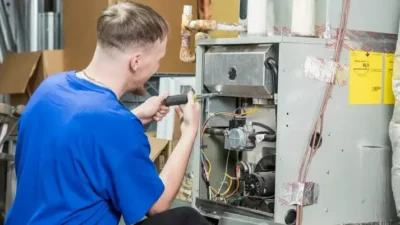
Many comfort complaints and surprise repairs start with everyday habits that seem harmless. Small choices, like how you set your thermostat, where you close vents, or which filter you slide into the return, can push a heating and cooling system beyond its design limits. That can show up as longer run times, higher utility bills, short cycling, iced evaporator coils, or even a tripped high-limit switch in a furnace. The good news is that a few changes can reduce wear on components such as the blower motor, heat exchanger, and compressor while improving comfort room by room. Here are five common, fixable HVAC habits to stop doing and what to do instead.
Large setbacks on heat pumps invite auxiliary heat.
Deep thermostat setbacks can make sense for gas furnaces, but they often backfire with heat pumps. When you raise the setpoint rapidly in the morning, the thermostat may call for auxiliary heat strips or a dual-fuel furnace to catch up quickly. That bypasses the heat pump’s efficient refrigerant cycle and can spike energy use. If outdoor temps are near your system’s balance point, aggressive setbacks combined with compressor lockout settings trigger long AUX runs and higher electric bills.
If you are unsure whether your equipment uses heat strips or a dual fuel stage, an HVAC technician can review the control board, thermostat staging, and outdoor temperature sensors. Local providers such as Classic Comfort LLC routinely advise homeowners on heat pump programming, including AUX lockout and adaptive recovery. In most homes, small setbacks of one or two degrees work better. On smart thermostats, enable features labeled Heat Pump Balance, Compressor Lockout, or Adaptive Recovery, so the system starts earlier and avoids unnecessary auxiliary heat.
Closing supply registers raises static pressure and risks icing the coil.
Shutting vents in little-used rooms seems thrifty, but it boosts external static pressure in the duct system. High pressure at the supply plenum and across the evaporator coil reduces airflow (CFM), which raises the coil’s delta T and can cause frost or a full ice-up in cooling mode. In heating, restricted airflow can increase the temperature rise across a furnace heat exchanger and trip the high-limit switch, a stress you want to avoid over a season.
Instead of closing supply grilles, ask for proper air balancing at the dampers near the branch takeoffs on the supply trunk. Balancing at the duct level helps correct hot and cold spots without starving the blower. If a guest room is chronically oversupplied, a technician can measure total external static pressure with a manometer, check for return-side restrictions in the filter rack or return plenum, and seal duct leaks that throw off the design CFM. A homeowner example: close the family room registers to “push more air” upstairs and you might hear whistling at other vents, see condensation at the air handler, and trip a condensate float switch after the coil ices and thaws.
Using overrestrictive air filters chokes airflow.
High-MERV pleated filters catch more dust, but a 1-inch MERV 13 pad in a tight return can double the pressure drop compared to a deeper-media filter. An ECM variable speed blower will ramp up RPM to maintain airflow, often increasing noise and energy use; a PSC blower may not keep up, cutting CFM through the coil and heat exchanger. Low airflow can freeze the evaporator coil, reduce superheat, and push a furnace beyond its ideal temperature rise, increasing the chance of nuisance trips.
Match your filter to the system: follow the air handler or furnace documentation for recommended MERV and thickness. If allergies suggest higher filtration, ask about upgrading the filter cabinet to a 4- or 5-inch media filter that keeps pressure drop low while improving capture. Check the filter slot for bypass gaps and change intervals based on runtime and dust load, not just a calendar. A quick check with a static pressure port before and after the filter can confirm whether the new media is starving the blower.
Letting condensate drains and pans go unchecked invites shutdowns
Air conditioners and high-efficiency condensing furnaces produce water. Algae and biofilm build up in the P-trap and primary condensate drain, slowing flow until water backs up into the secondary pan. A float switch in that auxiliary pan or on the primary drain line can shut down the system in mid-July. Rusted pans, sagging vinyl tubing, and a missing cleanout tee make clogs harder to clear and increase the risk of ceiling damage below the air handler.
Prevention is straightforward. Confirm the drain has a proper trap, slope the line about 1/8 inch per foot to the termination, and add a cleanout tee with a cap. During cooling season, pour a small amount of plain white vinegar into the cleanout to discourage growth. For condensing furnaces, ensure the condensate neutralizer media is fresh so acidic water does not attack copper or concrete. A realistic scenario: the first hot week arrives, the evaporator runs long cycles, and you notice water stains under a closet air handler because the float switch failed and the secondary pan overflowed. A simple preseason drain inspection could have avoided the surprise.
Neglecting the outdoor unit cuts heat transfer.
Leaves, cottonwood, and lawn clippings packed into a condenser coil or heat pump coil act like a blanket, raising head pressure and forcing the compressor to work harder. Winter covers can trap moisture and promote corrosion or rodent nesting inside the contactor compartment. In snow climates, drift piled against a heat pump can block airflow during defrost cycles and force repeated shutdowns.
Keep 18 to 24 inches of clear space around the cabinet, trim shrubs, and avoid stacking mulch against the base. With power off at the disconnect, rinse the coil from the inside out to push debris outward, and use a fin comb to gently straighten bent aluminum fins. If you want protection from falling debris, a top cover that sheds leaves while leaving the coil sides open is a safer trade-off than a full vinyl wrap. After cleaning, a technician can check refrigerant charge, superheat and subcooling, and condenser fan amperage to confirm the unit is not laboring against hidden restrictions.
Small routine choices have mechanical consequences in HVAC systems. Gentle heat pump setbacks help you avoid long auxiliary heat runs. Open supply registers and balanced ducts keep static pressure and temperature rise in check. Right-size the filter to maintain airflow across the evaporator coil and furnace heat exchanger. Clear drains prevent float switches from shutting the system off on the hottest day, and clean outdoor coils keep head pressure in a healthy range. These habits protect expensive parts like compressors and blower motors while delivering steadier comfort throughout the home.
Also Read
- https://grammarexplore.com/inatoto-dafta-explained-important-details-for-users/
https://grammarexplore.com/planning-a-budget-friendly-city-escape-with-vacation-rentals-and-smarter-daily-spending/
https://grammarexplore.com/why-ants-gather-around-bathroom-fixtures-and-how-homeowners-can-address-hidden-moisture-problems/