
Buying a used car can feel straightforward at first. You find a vehicle you like, take it for a test drive, check the service history, negotiate the price, and arrange payment. But there’s one part of the process that’s easy to overlook: checking whether the vehicle has a financial or legal history that could cause problems later.
A car can look perfectly fine and still come with baggage you can’t see during an inspection. That’s where a PPSR search becomes useful.
What Does a PPSR Search Actually Check?
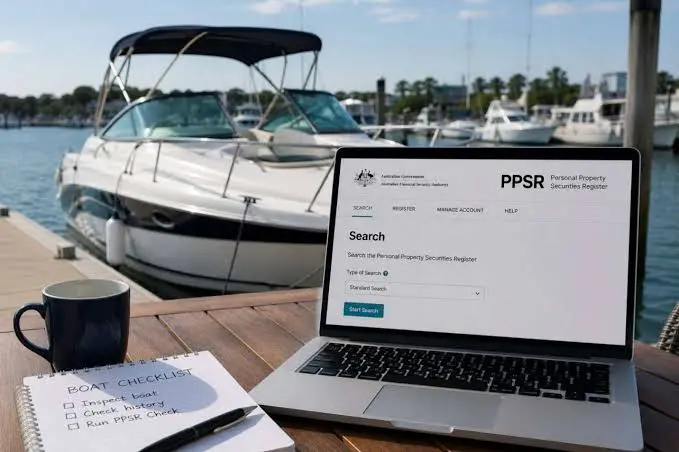
The Personal Property Securities Register, commonly called the PPSR, is an Australian government register that records security interests in personal property. Vehicles are one of the most common types of property people check.
When you’re considering a used vehicle, a PPSR search can help you find information that isn’t obvious from looking under the bonnet or checking the paintwork.
For example, a search may reveal whether a security interest is registered against the vehicle. This matters because an outstanding financial interest can create complications after you’ve paid the seller and taken the car home.
Depending on the information available for the vehicle, a check can also help identify whether it has been reported stolen or recorded as written off.
Think of it as a background check for the car rather than a mechanical inspection.
Why a Clean-Looking Car Can Still Carry Risk
Most buyers naturally focus on physical condition. Does the engine sound healthy? Are the tyres worn? Has the vehicle been involved in an obvious accident?
Those questions matter, but they don’t tell you everything.
Imagine finding a used car advertised privately at an attractive price. The seller seems genuine, the vehicle drives well, and the registration details appear normal. You pay for it and assume the deal is finished.
The problem is that visual inspections won’t necessarily reveal a registered security interest.
This is why using a PPSR search service Australia option before completing a purchase can be a sensible part of your pre-purchase checks, especially when you’re buying from someone you don’t know.
It’s a small step compared with the amount of money involved in purchasing a vehicle.
The VIN Is the Key Detail
A PPSR vehicle search generally relies on the Vehicle Identification Number, or VIN.
The VIN is a unique identifier assigned to a vehicle. It’s usually 17 characters long for modern vehicles and can commonly be found on the vehicle itself and its registration documents.
Accuracy matters here.
One incorrect character could mean you’re searching for the wrong vehicle. Don’t simply glance at the VIN and assume you’ve copied it correctly. Compare it carefully with the number displayed on the actual car.
If possible, check the VIN in more than one location.
A seller who won’t provide the VIN before purchase should also give you reason to slow down and ask why.
When Should You Run the Search?
Timing matters more than many buyers realise.
Running a search when you first become interested in a car can be helpful, but circumstances may change between your initial inspection and the actual purchase.
A practical approach is to make the PPSR check close to the point when you’re ready to buy.
Don’t let pressure from a seller push you into skipping basic checks. Statements such as “someone else is coming tonight” or “I need the money immediately” don’t change the risks involved.
If you’re spending thousands or tens of thousands of dollars, taking a little extra time is reasonable.
A PPSR Search Isn‘t a Mechanical Inspection
This distinction is important.
A PPSR check and a pre-purchase mechanical inspection answer different questions.
The PPSR deals with recorded information associated with the vehicle. A mechanic looks at its physical and mechanical condition.
A vehicle could have no concerning PPSR records but still need an expensive transmission repair next month. Likewise, a beautifully maintained car could have information on the register that a buyer needs to know about.
Neither check replaces the other.
For a significant used-car purchase, treating them as separate parts of your research gives you a clearer picture.
Private Sales Deserve Extra Attention
Buying privately can sometimes mean getting a better price, but you also need to do more of the checking yourself.
A polished advertisement isn’t evidence of a vehicle’s history. Neither is a friendly seller.
Before handing over money, confirm that the vehicle details match the advertisement and paperwork. Check the VIN carefully, review registration information, inspect the car, and make sure you understand the PPSR search results.
Keep copies of relevant documents from the transaction as well.
The goal isn’t to assume every private seller is hiding something. It’s simply to verify important details independently rather than relying entirely on what you’re told.
Don’t Ignore a Written-Off Vehicle Record
A written-off vehicle record deserves careful attention because not every car with this history will look damaged today.
Some vehicles are repaired and later returned to the road where permitted. A professional-looking repair can make previous damage difficult for an ordinary buyer to spot.
If a search indicates a write-off history, find out exactly what the record means before deciding what to do.
This is also a good point to involve a qualified vehicle inspector who can assess the car’s current condition and look for evidence of previous structural or significant accident damage.
Check the Details Before You Pay
Used-car buying often becomes emotional surprisingly quickly. Once you’ve found the right model, colour, kilometres, and price, it’s tempting to think, “This is the one.”
That’s exactly when you should slow down.
Before transferring money, make sure the VIN on the vehicle matches the VIN you’ve searched. Confirm the seller’s details and review the paperwork carefully. If something doesn’t match, investigate it rather than accepting a rushed explanation.
A bargain stops being a bargain when unresolved problems appear after the sale.
Make the Search Part of Your Buying Routine
A PPSR search isn’t meant to tell you whether a particular car is a good purchase. That’s a decision based on several factors, including price, condition, mechanical inspection, ownership details, and the vehicle’s recorded history.
What it can do is uncover information you might otherwise miss.
The easiest approach is to make the check routine. Just as you’d inspect the tires, look through the service records, and take the vehicle for a test drive, check its recorded history before finalising the purchase.
Used cars always involve some uncertainty. Good preparation won’t remove every risk, but it can help you avoid buying without knowing important information about the vehicle you’re about to own.
Also Read


