
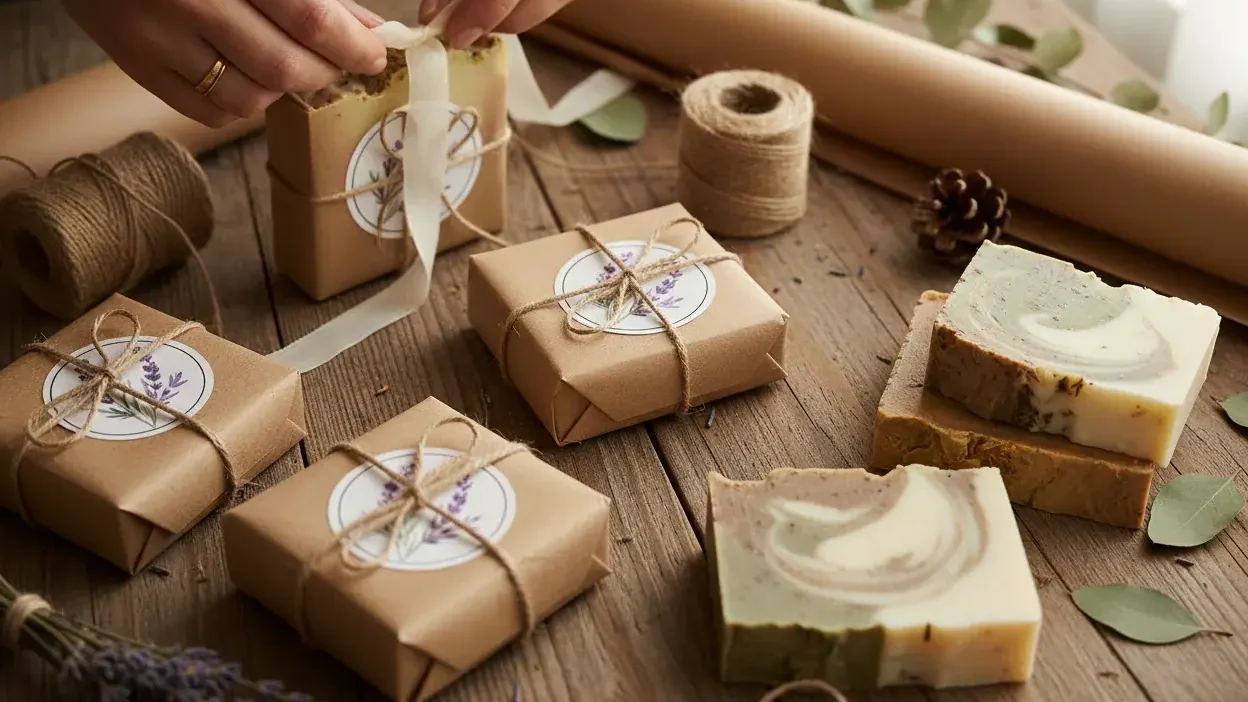
Soap packaging needs to do two things at once: protect the product and make people want to pick it up. This becomes even more important for handmade soaps, where the packaging often helps communicate the ingredients, craftsmanship, and personality behind the product.
Whether you sell natural bars at local markets or produce a larger retail collection, choosing the right Soap Boxes starts with understanding how the soap will be stored, handled, displayed, and used.
Begin With the Type of Soap
The soap itself should determine the starting point for packaging. A standard rectangular bar may work well with a simple sleeve or folding carton. Handmade soaps with unusual shapes, decorative toppings, or larger dimensions may need a more customized structure.
Consider the bar’s:
- Size and weight
- Shape
- Hardness
- Surface texture
- Ingredients
- Moisture content
- Expected shelf life
Getting the dimensions right helps prevent excessive movement and keeps the packaging from looking oversized.
Choose a Box Style That Fits
Different structures create different experiences. Sleeve packaging offers a simple, lightweight solution and can leave parts of the soap visible. Tuck-end cartons provide more complete coverage and additional space for branding and product information.
Window boxes can showcase the soap’s color, texture, or decorative details. For gift collections, rigid or two-piece boxes can provide a more substantial presentation.
For handmade products, the structure should complement the handcrafted character rather than making the soap feel overly industrial.
Pay Attention to Moisture
Soap naturally comes into contact with moisture, so the packaging material deserves careful consideration.
The box should be suitable for the storage conditions in which the soap will be kept. A well-designed package can help protect the bar from external exposure while maintaining its appearance on the shelf.
Material choice, coatings, ventilation considerations, and the soap’s own formulation should all be evaluated together.
Pick the Right Material
Paperboard is a practical option for many soap products because it is lightweight, printable, and available in different thicknesses.
Kraft board can work particularly well for handmade, botanical, or naturally positioned soaps. Its textured appearance can reinforce a simple, artisanal aesthetic.
Coated paperboard provides a smoother surface for detailed graphics and can support a more polished retail appearance.
The best material depends on the desired look as well as the soap’s actual storage and handling requirements.
Let the Packaging Tell the Handmade Story
Handmade soap brands often have something valuable to communicate: how the soap was made and what makes it different.
Packaging can introduce ingredients, fragrance notes, production details, or the story behind the collection. Small illustrations, botanical graphics, handwritten-style typography, and natural textures can help reinforce that identity.
The information should remain easy to read. A handmade aesthetic does not require a cluttered package.
Make Retail Packaging Easy to Recognize
Retail shoppers often make quick decisions. The front panel should communicate the brand and product clearly. A recognizable logo, soap name, fragrance, and distinguishing color can help customers understand what they are looking at without searching the entire box.
For a collection with multiple scents, consider using a consistent layout while giving each variant its own color or visual identifier.
Use Windows Strategically
A window can be useful when the soap itself is visually appealing. Customers may want to see the bar’s color, shape, texture, or decorative elements before purchasing. A small die-cut window can provide that visibility without removing the product from its packaging.
However, windows also reduce the amount of printable surface available. If ingredients, instructions, or branding require more space, a fully enclosed carton may be more practical.
Printing Gives the Box Its Personality
Packaging design can move a soap brand from generic to recognizable. With custom printed boxes, brands can control typography, colors, illustrations, logos, ingredient information, and other visual details.
Printing quality is particularly important for small text. Product descriptions, scent names, ingredient lists, and care information should remain sharp and readable after production.
Consider Sustainable Materials
For handmade and natural soap brands, packaging material often forms part of the overall brand message.
Paper-based packaging, kraft board, and recycled-content options may be considered where appropriate. But sustainability should not come at the expense of protecting the soap. The material still needs to perform properly during storage, transportation, and retail handling.
Choose Packaging That Fits the Brand
The right Soap Boxes should protect the bar while communicating what makes the product worth buying.
For handmade soaps, that might mean natural materials, simple graphics, and a story-driven design. For retail collections, it may mean stronger shelf recognition, consistent branding, and efficient packaging structures. With custom printed boxes, brands can build those choices into the package from the start rather than trying to make a generic carton fit the product afterward. Ultimately, the best soap packaging is the one that feels natural for the product, works reliably in real-world conditions, and gives customers a clear reason to remember the brand.
Also Read